Parks don’t just happen. They are a team effort, with great dividends. A community working together on a park project builds more than a park — they’re building stronger community bonds, creating engaging employment opportunities for local youth, and making everyone proud. Park building brings people together around a common cause. And when it’s done, they will say, “we did it!”
At the core of every successful park project is a diverse and talented group of committed residents working together as a team. This Park Committee will lead your park creation effort. Ideally, these volunteers represent the various groups who will use the park — young, old, different racial and ethnic groups, professional, working class, homeowners and renters. They should look like your community. Additionally, think about their talents. Having people with different talents and experience — builders, legal knowledge, political connections, community organizers, clergy, social butterflies, etc. — will increase your chances of success.
Create a park committee
Once formed, the committee’s first task is to identify and document what is unique about your neighborhood and park site. List your committee members below — who they are, how to reach them, and what they bring to the team.
Identify community assets
Now let’s think about the people in your neighborhood and their unique skill sets — do they like to cook? Organize events? Garden? Love history and could do research on the neighborhood? All of these can translate into valuable and useful skills to help get the park designed, built and maintained. You just need to list them so you know who you might tap to help with different jobs in the park process.
At your first community meeting, ask folks to write down their related skills on a sign-up sheet. Check off the skills your committee already has:
Neighborhood assets
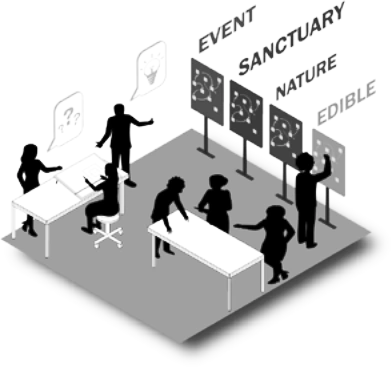
Another critical step in your park-building journey is identifying the unique features of your neighborhood and park site. Take time to stop and look for the abundance of clues that make your neighborhood special in its own way. Every neighborhood has inherent value born of its own history and culture. Identifying and tapping into these assets will strengthen your park project and inspire community ownership.
So how do we identify assets and strengths? Think about your neighborhood and its history and culture — what are the special places? Where do people like to congregate? Were there important events that happened in your neighborhood? What once stood where your park is located?
Next, list all citizen and local associations that might be partners and provide support — monetary, in-kind, or a place to buy park materials locally:
Organize a meeting
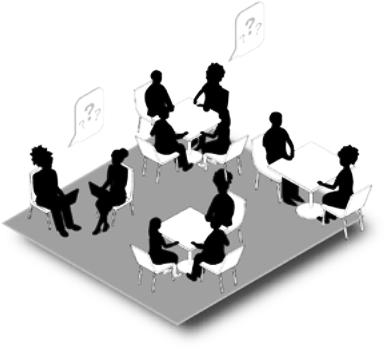
Holding a public meeting can be a really good way of building a campaign or getting more people involved in your group. Here are a few ideas to help your community group organize a meeting that is interesting, accessible and runs smoothly.
- Keep it simple. Don’t try to cram in too much. Use the meeting to share basic information about what you want to do, encourage others to share their opinions and ideas, and gain contact details of people who may wish to be involved in the future.
- Publicize it well. Make sure the date, time and place are clearly shown on the flyer, and that it’s clear what the meeting is about. Flyers, posters, social media posts, and your local community newsletter all help.
- Offer an incentive. Free refreshments, a video or speaker, or childcare with student volunteers can help people make the time to come.
- Think about the agenda. Welcome and introductions; explain who called the meeting and why; outline why the meeting has been called; consider asking someone who has built a park to share their insights (keep it brief — this first meeting shouldn’t be a lecture); ask the Park in a Truck team at Jefferson to provide a speaker.
- Give people a chance to share. There may be opposition to a park — let people air their views and build consensus on the possible park location, without getting bogged down in the details.
- Say what happens next. Summarize the ideas raised, and if the meeting is small, reach decisions about what action is actually going to be taken — including who is going to do it.
- Chair the meeting. Agree beforehand who will chair. Their job: keep the meeting on topic, make sure people get a chance to have their say, and keep the atmosphere welcoming and open.
- Take minutes. Decide who will take minutes before the meeting (not the same person as the chair). Minutes should include a clear note of any decisions made, and who has agreed to take on which jobs.
- Gather names and addresses. Prepare a sign-up sheet in advance so you can keep in touch with everyone who wants to stay involved.
- Plan your next meeting. Fix a date and venue for your group’s next meeting before this one ends, and distribute it so people can come back.
Are you ready?
How do you know if you have created a well-rounded park committee? Read the list below and check the box when you identify those people or capabilities in your committee. The most important aspect of organizing is to prove to yourself that you can orchestrate all that is needed for a neighborhood park — checking each box ensures your organization is ready to move on to the next chapter.